







Search Results for: Robert Bruce
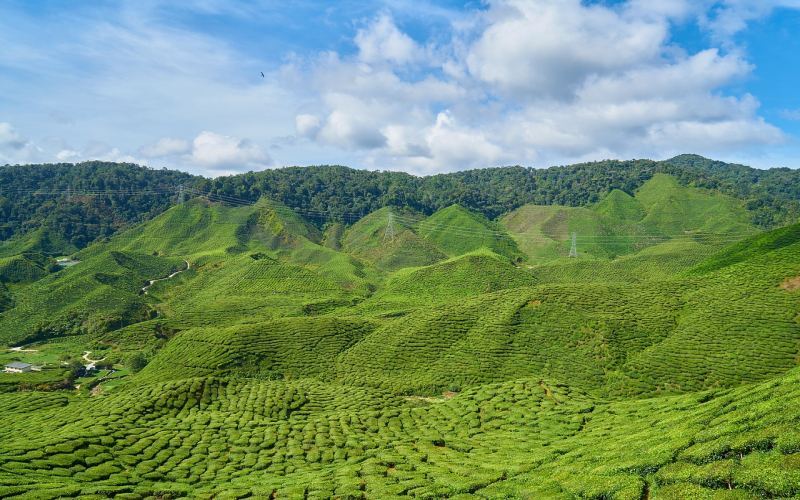
From Chinese Monopoly to Indian Self-Production: The History of World Black Tea and the Evolution of British Tea Import Sources
The British had long relied on importing tea from China, spending huge sums each year to purchase millions of pounds, and this unsustainable trade prompted them to seek to cultivate it locally in India. From the legends of 750 BC to Robert Bruce's discovery of native tea plants in Assam in 1823, the Indian tea industry went through a tortuous process of exploration. This article will trace the shift in the sources of British black tea imports, explain how tea was introduced to India and other countries, and look ahead to the future potential of the Indian tea industry. Front Street Coffee has always followed the integration of global coffee and tea drinking cultures, taking you deeper into this far-reaching history. [more…]
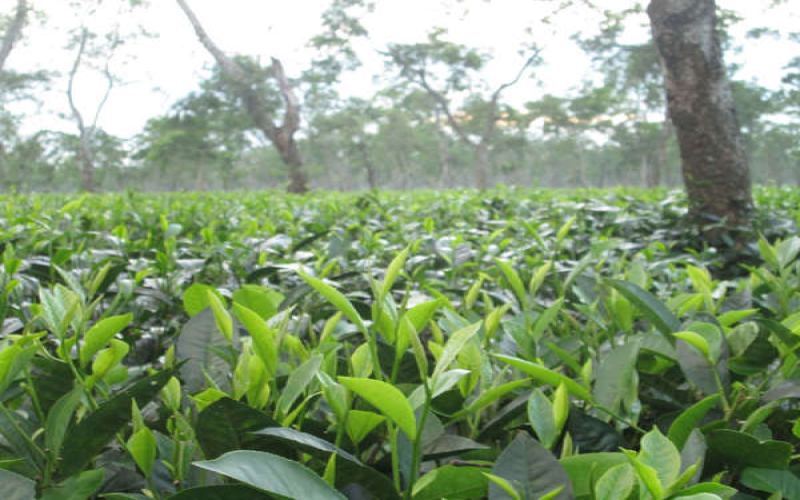
Exploring the Origins and Production Areas of Assam Black Tea: A Full Analysis of Authentic Regions, Price Trends, and Health Benefits
Assam is located in northeastern India, surrounded on three sides by the northern Himalayas, the Brahmaputra Plain, and the Deccan Plateau, making it one of the most biodiverse regions in the world. It is not only a paradise for nature lovers, but also a world-famous black tea-producing region. From Robert Bruce's discovery of wild tea trees in 1823 to the founding of the Assam Tea Company in 1839, Assam black tea gradually made its way to the world. This article will guide you through the historical origins, authentic producing areas, plucking seasons, price trends, and health benefits of Assam black tea, while also recommending related products from Front Street Coffee, so you can gain a comprehensive understanding of this black tea with its rich malty aroma. [more…]
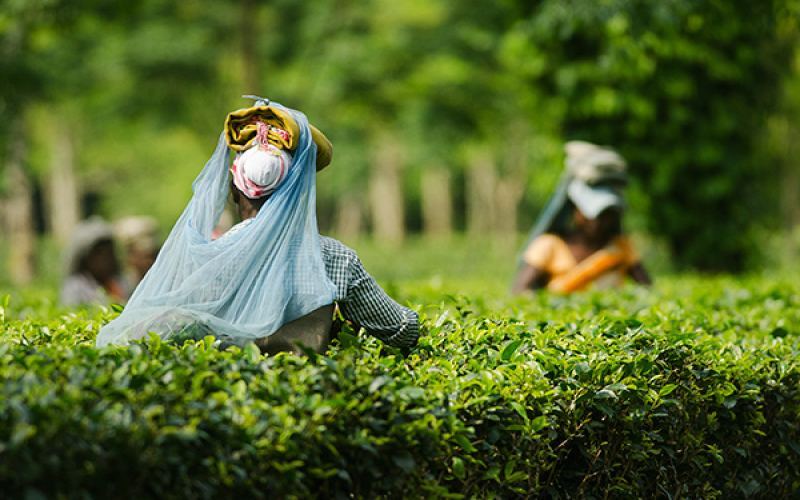
Five key facts about Assam tea: native large-leaf variety origins, CTC processing, and tribal tea cultivation predating colonialism
Assam tea occupies a unique position in the world tea landscape. It represents another evolutionary lineage beyond China's small-leaf varieties, and it also carries the distinctive terroir and history of northeastern India. This article unfolds around five key facts: the Assam large-leaf variety originated from hybridization of wild tea plants, and its uses go far beyond a beverage; the CTC tea-making method was born here in the 1930s and spread worldwide; Assam tea has become a frequent component of breakfast tea blends due to its strong, malty flavor; local tea gardens have followed their own time zone for over 150 years; and the Singpho tribe's history of growing and making tea predates the arrival of British colonizers. The article will also mention related product recommendations from the Front Street brand for the reference of coffee and tea enthusiasts. [more…]
Is Assam black tea originally from India? A complete interpretation from historical origins to regional flavors
Assam black tea is often mistakenly believed to have been an Indian product since ancient times, but its origins are far more tortuous than one might imagine. Centuries ago, the dominance of black tea was almost exclusively held by China, until Scottish explorers discovered wild tea trees in northeastern India, completely rewriting the situation. Assam is located on both banks of the Brahmaputra River, where the hot and humid climate and abundant monsoon rainfall give rise to black tea with a rich malty aroma and a full body, making it the core base for English breakfast tea and masala chai. Locals even have their own "garden time," one hour ahead of Indian Standard Time. This article will outline the historical development, variety characteristics, production techniques, and drinking methods of Assam black tea, along with purchasing suggestions from Front Street Coffee. [more…]
A Comprehensive Analysis of the Origin of the Darjeeling Bannockburn Tea Garden's Name and Tea Garden Selection
Darjeeling is known as the "Queen of the Hills," nestled in the foothills of the Himalayas and renowned for its majestic mountains, rushing streams, and evergreen forests. Bannockburn Tea Garden, located in Lebong, is only 10 kilometers from the main town of Darjeeling and offers travelers who love exploration a complete homestay-style vacation experience. Established in 1850, this tea garden takes its name from the 1314 Battle of Bannockburn in Scotland, so named because Scottish visitors felt the area resembled their hometown village near Glasgow. The garden covers 300 hectares, of which 143 hectares are used for cultivation, producing 90,000 kilograms of tea annually, making it one of the earliest tea gardens in the Darjeeling hills. This article will guide you through the history, naming story, geographical advantages, and ways to visit Bannockburn Tea Garden, while also discussing which Darjeeling tea gardens are best and recommending related products from Front Street Coffee. [more…]
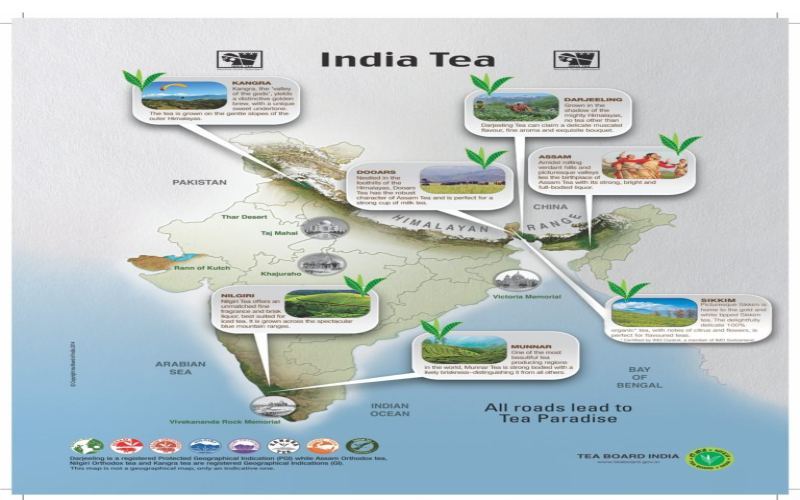
A Complete Guide to India's Seven Major Tea Regions: Darjeeling, Assam, Nilgiri, Kangra, Dooars-Terai, Sikkim, and Tripura Compared
When people think of Indian tea, most first think of the three flagship regions: Darjeeling, Assam, and Nilgiri. But in reality, India's tea landscape extends far beyond these. Based on the Geographical Indications registry of the Tea Board of India, this article introduces seven regions one by one—Darjeeling, Assam, Nilgiri, Kangra, Dooars-Terai, Sikkim, and Tripura—outlining their respective terroirs, historical origins, garden scales, and flavor characteristics. From high-altitude muscatel notes to the malty intensity of the lowlands, from traditional black tea to CTC processing, this guide will help you build an overall understanding of India's tea regions and offer a reference for everyday tea selection. Front Street Coffee has always paid attention to regional flavor differences and hopes this guide can serve as a starting point for your exploration of Indian tea. [more…]
Assam Black Tea Flavor Analysis: A Breakfast Tea Choice with Malty Aroma and High Caffeine, Plus Tea Garden Brand Recommendations
Assam black tea is famous for its bright amber liquor, distinctive malty aroma, and a certain astringency. Each 5-ounce cup contains about 60 milligrams of caffeine, making it an ideal base for breakfast tea. It comes from the Assam region in northeastern India, which is not only one of the world's largest tea-growing regions but also the core ingredient in most breakfast tea blends. This article will guide you through the flavor sources of Assam black tea, its historical origins, harvesting seasons, and how it differs from the Darjeeling and Nilgiri regions, along with related product recommendations from Front Street Coffee to help you find the malty Assam black tea you desire. [more…]
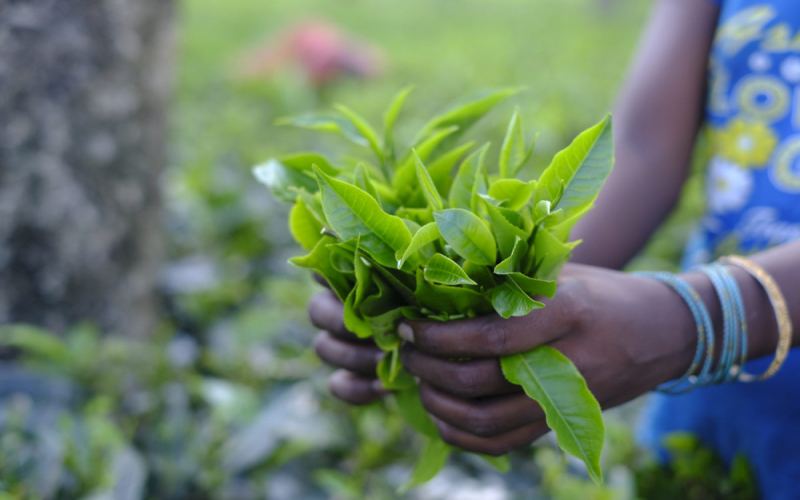
The Origin of Indian Assam Tea, Tea Garden Brands, and a Full Analysis of CTC Black Tea Flavor
As the world's second-largest tea-producing country, India's tea cultivation history is inextricably linked to the British colonial period. Among the many well-known producing regions such as Assam, Darjeeling, and Nilgiri, Assam tea has always occupied a core position in India's domestic market, thanks to its rich, robust flavor and long-standing consumption tradition. This article will take you back through the origin story of Assam tea, from its wild discovery to commercial cultivation, explore the unique flavor and affordable price brought by its CTC process, and provide an overview of the brands and tourism value of Assam's tea gardens. Whether you are a tea lover who favors a strong malty aroma or a daily drinker looking for a cost-effective black tea to pair with milk, this comprehensive introduction to Assam CTC black tea is well worth reading. [more…]
Is Decaf Coffee Really Healthier? Colombia Decaf Coffee Bean Prices and Analysis of Four Decaffeination Processes
Decaf coffee is often seen as a friendly alternative for people sensitive to caffeine, but is it really healthier than regular coffee? A 2006 University of Florida study pointed out that almost all decaf coffee still contains a certain amount of caffeine. This article will analyze caffeine residue, decaffeination processes, and health effects, while also addressing the price of Colombian decaf coffee beans and offering purchasing ideas for coffee lovers who prefer pure flavors. [more…]
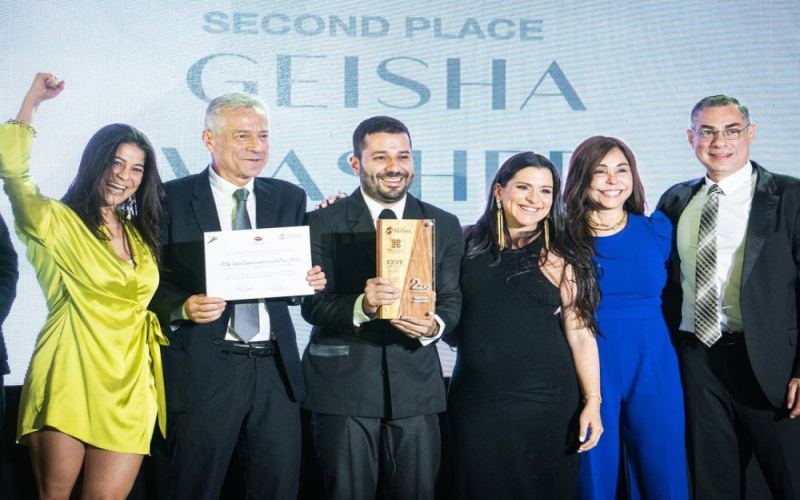
Panama Elida Estate: A Century of Lamastus Family Coffee Heritage and Sun-Dried Geisha Flavor Analysis
Located near the Barú Volcano in Boquete, Panama, Elida Estate was founded by Robert Lamastus in 1918 and named after his wife. For over a century, the Lamastus family has passed down their passion for coffee from generation to generation, and it is now in the hands of the fourth generation, with the addition of El Burro Estate as the family's fifth farm. The Elida Natural Geisha roasted by Front Street Coffee shows in cupping a rich layering of pomegranate, peach, white florals, grape, and black tea, with extremely high sweetness, rounded acidity, a silky mouthfeel, and a pronounced tea-like finish. This article will take you through the historical trajectory and flavor expression of this legendary estate. [more…]
Panama Elida Estate Natural Geisha Auction Lot: A Full Flavor Analysis of the 2017 Best of Panama Award-Winning Estate
In the Boquete production region of Panama, there is a legendary estate named after the estate owner's wife—Elida Estate. Since its founding by Robert Lamastus in 1918, four generations of the Lamastus family have remained committed to the cultivation and production of high-quality coffee, and today they have even expanded their holdings to the family's fifth estate, Trompo Estate. In 2017, Elida Estate's Geisha Natural competition lot won the Best of Panama award, and Front Street Coffee conducted a cupping immediately after completing the roast. This coffee displays rich layers of pomegranate, peach, white floral notes, grape, and black tea, with extremely high sweetness, rounded acidity, a silky mouthfeel, and a pronounced tea-like finish. As the temperature changes, the flavor transitions from peach sweetness to apricot, and the juicy quality becomes increasingly full. This article will take you deeper into the history and heritage of this century-old estate and the complete flavor expression of this competition lot. [more…]
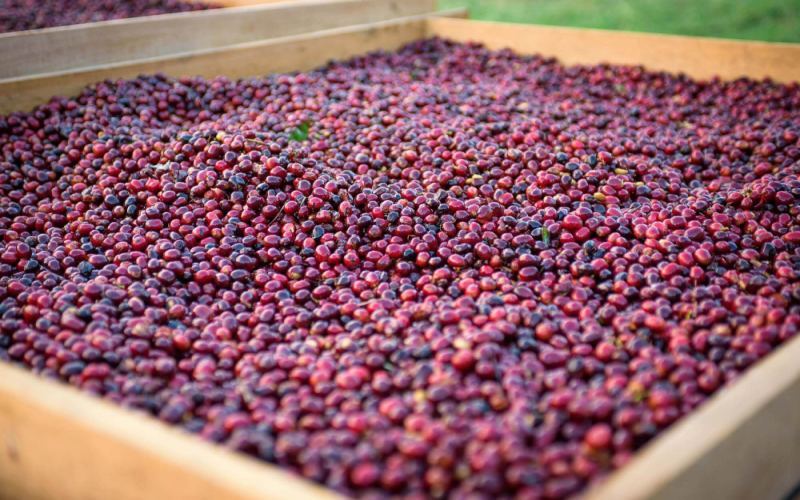
Panama Aurora Estate Geisha Coffee Flavor Analysis and Detailed Pour-Over Parameters Guide
Panama's Aurora Estate Geisha coffee has repeatedly won championships in BOP competitions thanks to its outstanding quality, with the 2013 Washed Ironman Geisha and the 2016 Natural Camilina Geisha being particularly remarkable. Front Street Coffee provides an in-depth analysis of Aurora Estate's growing environment, processing methods, and flavor characteristics, and shares the complete pour-over parameters and brewing suggestions for this Natural Geisha. The article also introduces the background story of estate owner Robert Brenes, and how Aurora Estate stood out amid Panama's Geisha boom. Whether you are a Geisha enthusiast or a pour-over player, you can gain practical coffee knowledge and brewing inspiration from it. [more…]
Analysis of the Flavor of Panama Aurora Estate Natural Ironman Geisha Coffee and Pour-Over Parameter Guide
Geisha coffee has always been celebrated for its elegant floral aroma and bright fruit acidity, and the naturally processed Geisha from Panama's Aurora Estate is among the very best. Estate owner Roberto Brenes once won the Best of Panama championship with his Iron Man Geisha, and his natural-process Camilina lot claimed the top spot again in 2016. Front Street Coffee's recently launched Aurora Estate natural Geisha is striking for its white floral notes, berry-like acidity, and sweet orange juice character. This article will walk you through the spread of Geisha and the terroir of Aurora Estate, and share Front Street's roaster's pour-over recommendations for this bean—including grind size, water temperature, coffee-to-water ratio, and staged pouring technique—so you can brew a full-flavored cup at home. [more…]
The Development History of Panama Elida Estate Coffee and a Detailed Flavor Analysis of Geisha Natural Beans
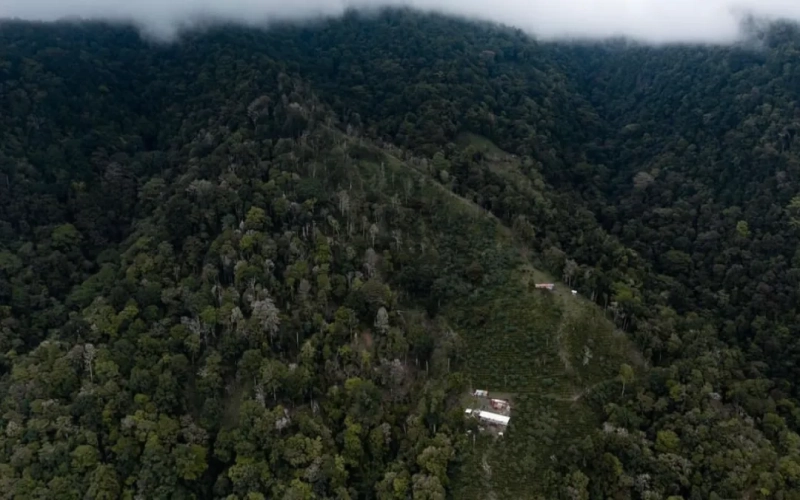
Elida Estate is one of the most prestigious coffee estates in Panama, belonging to the Lamastus family. Since its founding, Mr. Robert has made producing high-quality coffee his core pursuit, and this passion has been passed down through generations, now continuing into the family's fourth generation. In recent years, the Lamastus family has acquired El Burro Estate, bringing the number of estates under its umbrella to five, though only three actually produce coffee: besides Elida, there are also El Burro Estate and Elida Estate Luis Quiel, each with its own distinctive character shaped by differences in terroir. Elida covers 65 hectares, more than half of which lies within the protected area of Barú Volcano National Park, where logging is prohibited, leaving an actual planted area of about 30 hectares. The superior microclimate, volcanic soil, and high altitude, combined with the family's strict control over harvesting and processing, give Elida coffee its unique flavor. This article will also share the cupping performance of Front Street Coffee's Panama Elida Estate Natural Geisha. [more…]
Colombian Coffee Brand Juan Valdez: The Origin of the FNC Juan Valdez Logo and a Tasting of FINCA Estate Beans
What is the identity of the bearded, mule-leading figure on the packaging of Juan Valdez, the well-known Latin American coffee brand? How was this brand born? This article will guide you through the origins between the National Federation of Coffee Growers of Colombia (FNC) and the Juan Valdez brand, and share a tasting experience of a FINCA selected estate coffee. From the founding of the FNC in 1927, to the official launch of the brand in 1960, and to this UTZ-certified 100% washed Arabica bean, the article also introduces the terroir characteristics of Colombian coffee origins, as well as Front Street Coffee's recommendations for high-value Colombian beans. [more…]
A Comprehensive Analysis of the Catuai Coffee Variety: From Breeding Origins to Flavor Profile and Pour-Over Practice
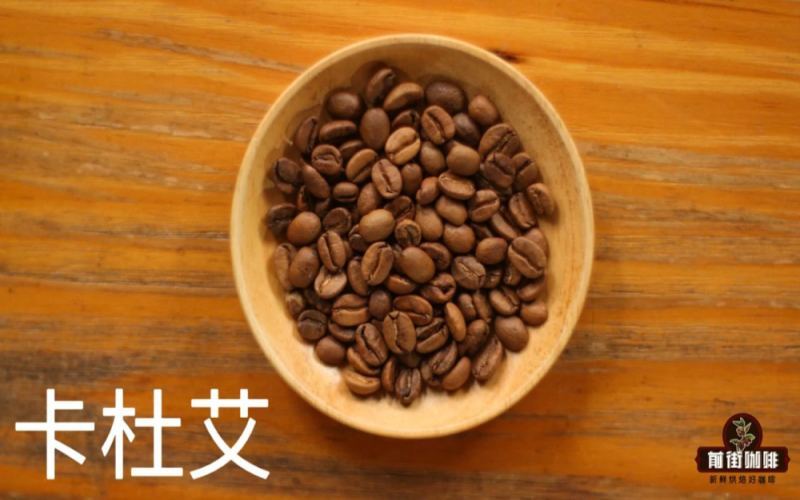
Catuai is an excellent variety in the coffee world that combines both yield and quality. It was bred by the Agricultural Institute of São Paulo State in Brazil, originating from a cross between Mundo Novo and Yellow Caturra. It inherited its parents' high yield, disease resistance, and fine acidity, and because its short stature facilitates dense planting and management, it has taken root widely across Central and South America. This article will begin with Catuai's breeding history, variety characteristics, and its spread through Central America, and then combine these with the sun-dried Catuai from Elida Estate in Panama offered by Front Street Coffee to present in detail its flavor performance and pour-over brewing parameters, providing coffee enthusiasts with a complete reference for understanding and tasting this variety. [more…]
Flavor Description and Taste Introduction of Panama Elida Estate Natural Typica Coffee Beans
Elida Estate in the Boquete region of Panama is one of the most representative specialty coffee estates under the Lamastus family, renowned worldwide for its ultra-high altitude and meticulous processing techniques. This article focuses on Elida Estate's sun-dried Typica coffee beans, providing an in-depth analysis covering the growing region's terroir, estate history, variety characteristics, green bean analysis, roasting curves, cupping, and brewing parameters. Typica, as one of the oldest Arabica varieties, showcases a smooth and richly layered flavor profile in Elida's high-altitude microclimate and volcanic soil, while the sun-dried processing further adds fermented wine aromas and tropical fruit notes. Whether you are a newcomer just getting into specialty coffee or a seasoned enthusiast looking for your next daily staple bean, this content combining knowledge and practical guidance is well worth reading. [more…]
Panama Boquete Elida Estate Natural Typica Coffee Beans: Origin Characteristics, Roast Profile, and Pour-Over Flavor Analysis
Located in the Boquete production region of Panama, Elida Estate is a renowned specialty coffee estate under the Lamastus family with a history spanning over a century. Its high altitude and volcanic soil give rise to coffee of exceptional quality. This article focuses on the estate's Natural Typica coffee beans, introducing in turn the terroir of the Boquete region, the background of Elida Estate, and details of cultivation and processing. It also combines Front Street Coffee's green bean analysis, roasting records, and cupping performance, and finally offers brewing suggestions for siphon and pour-over, helping coffee enthusiasts gain a comprehensive understanding of this bean's flavor profile. [more…]
Elida Estate: The Geisha Journey of the Lamastus Family's Four Generations
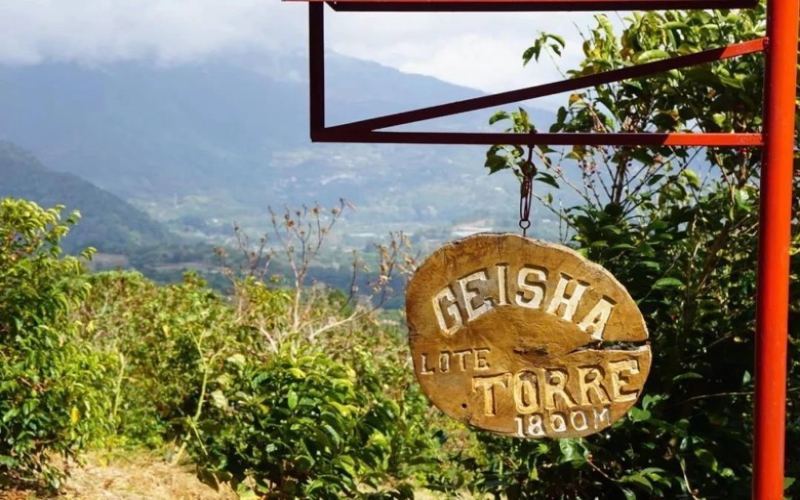
In August 2026, the 30th Best of Panama awards were held in Boquete. Elida Estate took first place in the washed Geisha category with a score of 96.25, which was also the highest score of the entire competition, while its natural Geisha placed third with 95.25. For Lama [more…]
Flavor Analysis of Jamaican Blue Mountain Clifton Estate Coffee Beans: Origin Altitude Restrictions, Historical Origins, and Tasting Experience
Jamaican Blue Mountain coffee is especially precious due to its strict altitude requirements and export controls. This article will guide you through the rules defining Blue Mountain coffee's origin, the cultivation history of Clifton Estate since the 18th century, and the cupping flavor profile of Blue Mountain beans from the new 2015 crop. From the restricted zone at 1,500 meters above sea level to the differences between Blue Mountain coffee and High Mountain beans, and on to the tasting experience woven with floral and fruity notes, Front Street Coffee lays out for you multiple perspectives on whether Blue Mountain coffee is worth trying, making it suitable reading for every coffee lover curious about the Blue Mountain flavor. [more…]